
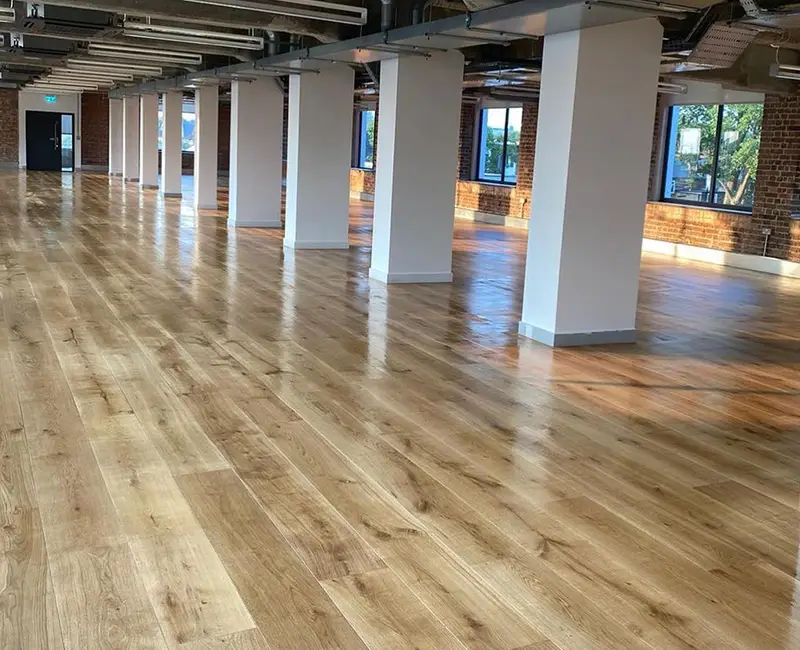
When undertaking a hardwood floor project, choosing the right sander is crucial. The decision between a drum sander and an orbital sander can influence the finish, time spent, and overall cost, especially in commercial floor sanding scenarios. This guide breaks down the differences, use cases, and practical tips to help you decide which tool fits your needs, whether you’re refinishing a single room at home or tackling a large commercial floor sanding project.
Understanding the Basics: What Each Sander Does
- Drum sander: A drum sander uses a rotating drum fitted with abrasive belts. It aggressively removes material and is capable of leveling high spots and removing old finishes quickly. It’s best suited for large, flat surfaces and requires careful操作 to avoid gouges.
- Orbital sander: An orbital (or random orbital) sander has a moveable pad that vibrates in small circles, producing a finer finish with less risk of gouging. It’s ideal for smoothing and feathering edges, corners, and smaller areas, and is commonly used for final passes after heavy material removal.
When to Choose a Drum Sander
- Significant material removal: If you’re dealing with thick coatings, deep scratches, or uneven old floors, a drum sander’s belt-driven power can aggressively remove material and even out the surface faster.
- Large, open areas: For expansive rooms with few obstacles, a drum sander can speed up the bulk removal phase.
- Commercial floor sanding projects: In professional settings, drum sanders are often employed for the initial heavy-pass work to reduce labor time. However, this comes with a higher risk of creating dips if not used by experienced operators.
Caution: Drum sanders are powerful and less forgiving. They require skill to prevent gouging, burnishing, or hollow spots. Always maintain a consistent edge and avoid staying too long in one spot.
When to Choose an Orbital Sander
- Fine finishing and feathering: After the bulk removal with a drum sander, an orbital sander is excellent for smoothing and preparing the wood for finishing. It can reach into edges and corners more easily.
- Edges, corners, and perimeter: Orbital sanders are better at finishing along walls and around obstacles where a drum sander cannot access safely.
- Low risk of damage: For beginners or projects where the wood has been previously sealed, an orbital sander offers a gentler approach with a reduced chance of creating gouges.
Decision Guide: Matching the Tool to Your Project
- Project scale:
- Small residential projects: An orbital sander can handle most of the work, particularly when combined with careful hand-sanding for edges.
- Large commercial floor sanding: A drum sander may be employed for the initial leveling and material removal, followed by an orbital sander for finish passes.
- Floor condition:
- Thick finishes or multiple layers: Start with a drum sander; progress to an orbital sander for refinishing and smoothing.
- Bare or lightly finished floors: An orbital sander with appropriate grits (start coarse, then progress to finer grits) might suffice, especially for avoid oversanding.
- Skill and safety:
- Drum sanders require more experience and PPE due to kickback and dust. Ensure you have proper training or hire professional help for commercial floor sanding.
Technique Tips for Optimal Results
- Use the right grits: Start with a coarse grit on the drum sander to remove old finishes, then move to medium grits before finishing with fine grits on the orbital sander.
- Manage dust: Both machines generate dust, but a drum sander creates more. Use dust collection, wear a respirator, and seal off the work area when doing commercial floor sanding.
- Edge work: For edges, consider hand sanding or using a small edging sander designed for perimeters to ensure a uniform finish.
- Test and level: Before committing to a full room, test on a small area to assess how the sander interacts with the wood species and finish.
Practical Considerations for Commercial Floor Sanding
- Time and efficiency: In commercial projects, time is money. A well-planned sequence, bulk removal with a drum sander, followed by orbital smoothing, can minimize downtime and deliver a professional finish on schedule.
- Contractor expertise: If you’re outsourcing commercial floor sanding, verify the contractor’s experience with both drum and orbital sanders, and request references from similar projects.
- Noise and disruption: Large commercial sites may require coordination to minimize disruption. Discuss schedule, dust containment, and safety measures with the client.
Maintenance and Longevity
- Equipment care: Clean sanding belts and pads, replace worn abrasives promptly, and inspect for alignment. Misalignment can cause gouging or uneven wear.
- Dust management: Regularly check and service the dust collection system. Clogged filters reduce efficiency and can affect air quality in commercial sites.
- Safe storage: Keep machines in a dry, secure area to prevent rust and damage to belts or pads.
Final Thoughts
Choosing between a drum sander and an orbital sander ultimately comes down to the project scope, floor condition, and your experience level. For large commercial floor sanding jobs, leveraging the strengths of both tools, drum sander for effective bulk removal and orbital sander for precise finishing, tends to yield the best results. Remember to prioritise safety, dust control, and proper grit progression to achieve a durable, beautiful hardwood floor. By understanding the roles of each sander and planning your approach thoughtfully, you can deliver a professional outcome that stands up to years of use.