
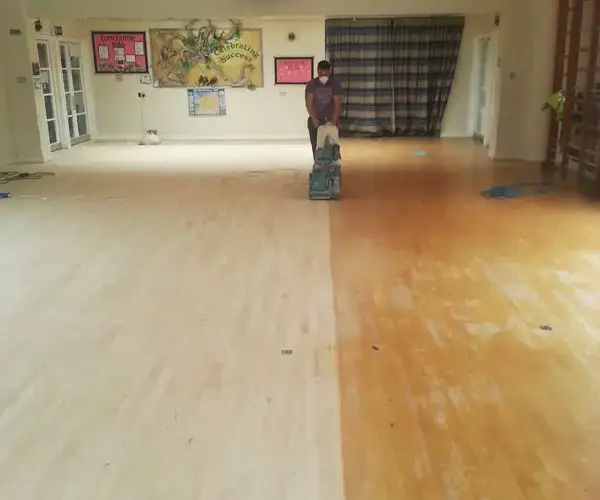
In high-traffic commercial spaces such as office buildings, retail stores, restaurants, and hotels, flooring plays a crucial role in both the aesthetic appeal and functionality of the space. However, with constant foot traffic, commercial floors can quickly become worn, damaged, or unsightly. This makes regular floor maintenance essential to ensuring the longevity, safety, and overall appearance of the space. Here’s why regular floor maintenance is so important in high-traffic areas.
1. Extending the Lifespan of Your Floors
Commercial floors endure more wear and tear than residential ones, with hundreds or even thousands of people walking across them daily. Without proper maintenance, dirt, debris, and moisture can degrade the floor’s surface over time. Regular cleaning and sanding, combined with refinishing, can help remove surface-level damage and restore the floor’s original luster, preventing the need for costly replacements.
Sanding, in particular, is a key maintenance practice for hardwood floors. By sanding down the surface and applying a fresh finish, you can remove scratches, scuffs, and even deep gouges that detract from the floor’s appearance and durability. This process not only restores the floor’s natural beauty but also adds a layer of protection against future damage.
2. Ensuring Safety in Commercial Spaces
Damaged floors in high-traffic areas can present significant safety risks, including tripping hazards or uneven surfaces. If left untreated, cracks, chips, or warped floorboards can contribute to workplace accidents or injuries for customers and employees alike. Regular sanding and refinishing help to smooth out these imperfections, ensuring that the floors remain level and secure.
Additionally, a well-maintained floor can also prevent slips and falls, particularly in spaces that may encounter wet or slippery conditions. Applying the right type of finish with anti-slip properties can be critical in protecting both workers and visitors.
3. Maintaining Aesthetic Appeal
For commercial spaces, aesthetics matter. Floors are one of the first things customers and clients notice upon entering a business, and a worn or neglected floor can leave a negative impression. On the other hand, regularly maintained floors signal professionalism and attention to detail. Shiny, clean, and scratch-free floors enhance the overall appearance of the space, contributing to a positive customer experience.
Whether your commercial flooring is hardwood, laminate, tile, or another material, keeping it in pristine condition will help maintain the professional image your business wants to project. Regular sanding and refinishing can refresh the look of worn hardwood floors, while cleaning routines can keep other types of flooring spotless.
4. Saving Costs in the Long Run
While it may seem like regular floor maintenance is an additional expense, it can actually save businesses money in the long term. Neglecting floor maintenance can lead to significant damage that requires expensive repairs or even full-floor replacement. For instance, damaged hardwood floors that go untreated can warp, buckle, or rot over time, resulting in much higher costs than simple sanding and refinishing.
By investing in routine maintenance, including sanding, polishing, and refinishing, businesses can prevent serious damage and extend the lifespan of their flooring, leading to reduced long-term costs.
5. Creating a Clean and Healthy Environment
Lastly, regular floor maintenance promotes a cleaner, healthier environment for employees and customers. In high-traffic commercial spaces, floors collect dust, dirt, and allergens that can affect air quality and cleanliness. Regular cleaning, combined with occasional deep maintenance like sanding, helps remove these particles, creating a more hygienic space.
Conclusion
For any commercial space, regular floor maintenance is not just a cosmetic measure but a crucial investment in the safety, longevity, and appeal of the business environment. High-traffic areas demand attention to keep floors in excellent condition, ensuring they can withstand heavy use while maintaining their functionality and aesthetic value.