
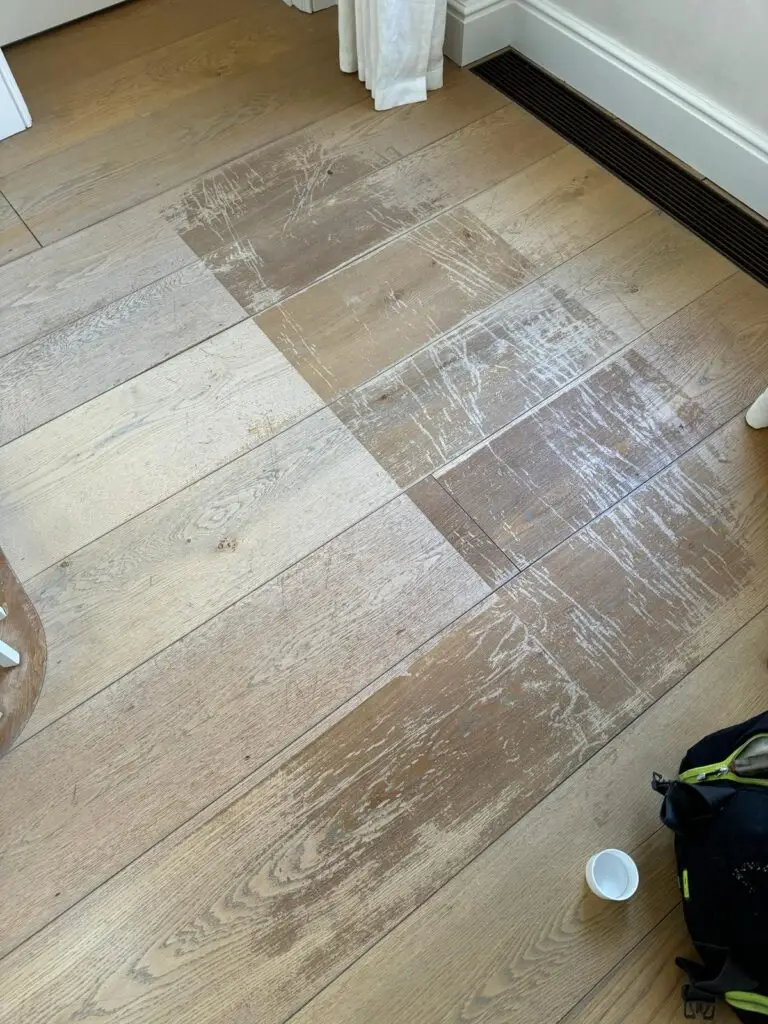
Timber floors are a beautiful and durable addition to any home, but over time, they can suffer from damage due to wear and tear, moisture, or accidental impacts. While a damaged timber floor might seem like a major issue, many common problems can be fixed with the right approach and tools. Whether you’re dealing with scratches, dents, water damage, or gaps between the planks, this guide will walk you through the process of repairing your timber floor and restoring it to its original glory.
1. Assess the Damage
Before you start any repair work, it’s essential to assess the extent of the damage. Timber floors can suffer from various issues, including:
- Scratches and Scuffs: These are usually surface-level and can often be repaired with minor refinishing.
- Dents and Gouges: These can be more serious, especially if the wood has been compressed or removed.
- Water Damage: Signs include discolouration, warping, and swelling of the timber. Water damage often requires more extensive repairs.
- Gaps Between Planks: These can develop due to changes in humidity and temperature, causing the wood to expand and contract.
Once you’ve identified the type and extent of the damage, you can determine the best course of action.
2. Gather Your Tools and Materials
Depending on the type of repair, you may need the following tools and materials:
- Sandpaper (various grits)
- Wood filler or putty
- A putty knife
- A hammer and nails or a nail gun
- Wood glue
- Clamps
- A floor sander (for larger areas)
- A stain that matches your floor
- A sealant or finish (such as polyurethane)
3. Repairing Scratches and Scuffs
For light scratches and scuffs, the repair process is straightforward:
- Clean the Area: Start by cleaning the affected area to remove any dust or debris. This will give you a clear view of the scratch and ensure a smooth repair.
- Sand the Scratch: Use fine-grit sandpaper to gently sand the scratched area, following the grain of the wood. Be careful not to sand too aggressively, as this can create a noticeable dip in the floor.
- Apply a Wood Stain: If the scratch has removed the finish or exposed raw wood, apply a wood stain that matches your floor. Let it dry completely before proceeding.
- Seal the Area: Finally, apply a sealant or finish to protect the repaired area and blend it with the surrounding floor.
4. Fixing Dents and Gouges
For deeper dents or gouges, follow these steps:
- Fill the Dent: Use a wood filler or putty to fill the dent, applying it with a putty knife. Make sure the filler is slightly raised above the surface, as it will shrink slightly as it dries.
- Sand Smooth: Once the filler has dried, sand it down until it is level with the surrounding floor. Start with medium-grit sandpaper and finish with fine-grit for a smooth finish.
- Stain and Seal: As with scratches, apply a matching stain and sealant to complete the repair.
5. Addressing Water Damage
Water-damaged timber can be tricky to repair. If the damage is extensive, you may need to replace the affected boards. However, for minor damage:
- Dry the Area: Ensure the area is completely dry before attempting any repairs. Use fans or a dehumidifier if necessary.
- Sand the Surface: Sand away any warping or discolouration on the surface. You may need to remove the finish entirely in the affected area.
- Refinish the Floor: Apply a new stain and sealant to the sanded area to restore the appearance of the timber.
6. Repairing Gaps Between Planks
To fix gaps between planks:
- Fill the Gaps: Use wood filler or flexible caulk designed for timber floors to fill the gaps. Ensure the filler matches the color of your floor.
- Sand and Finish: Sand the filler smooth once it has dried, then apply a matching finish.
Conclusion
Repairing a damaged timber floor may seem daunting, but with the right tools and techniques, many issues can be addressed effectively. Regular maintenance, such as cleaning and refinishing, can also help prevent future damage and keep your timber floor looking its best for years to come.