
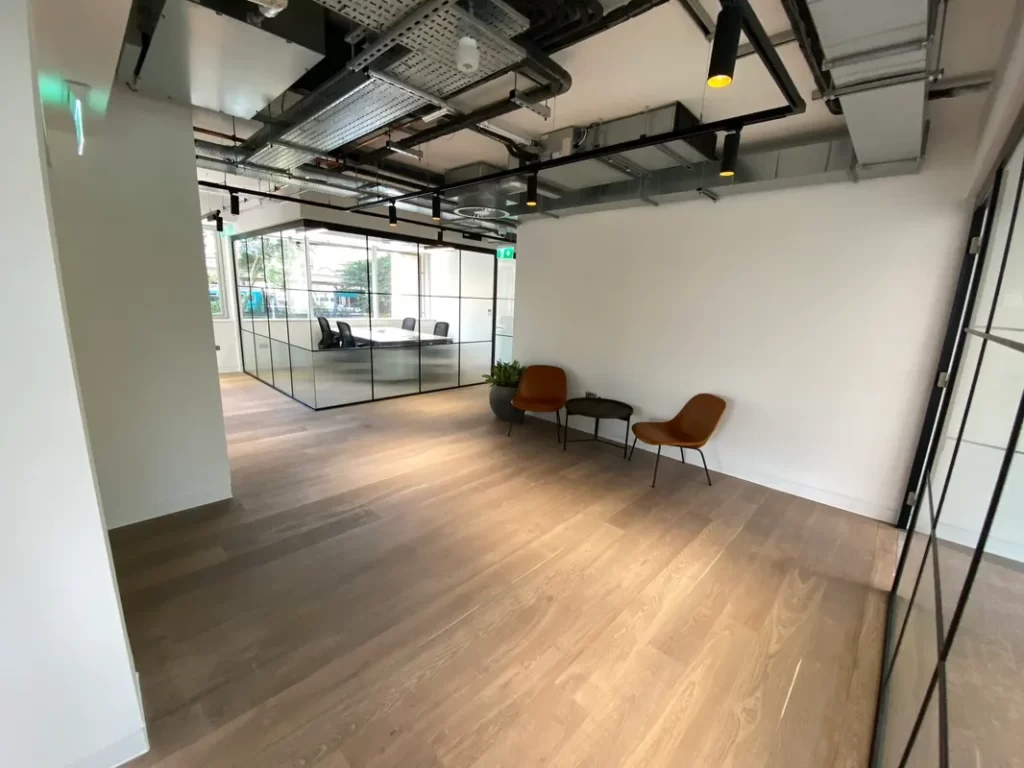
Wood floors add timeless beauty and warmth to any home, but maintaining their elegance requires regular upkeep. Two key maintenance processes are sealing and refinishing. Though they are often mentioned together, sealing and refinishing serve different purposes and are suitable for different situations. This blog aims to clarify the distinctions between these two processes and help you determine which is best for your wood floors.
Sealing Wood Floors
Purpose:
Sealing is primarily aimed at protecting the wood surface from moisture, dirt, and wear. It provides a protective layer that can enhance the floor’s durability and longevity.
Process:
- Preparation: Begin by cleaning the floor thoroughly. Remove all dust, dirt, and debris to ensure the sealer adheres properly.
- Application: Apply a wood sealant using a brush or roller. Ensure even coverage to avoid patches. Depending on the product, you might need to apply multiple coats.
- Drying: Allow the sealer to dry completely between coats, following the manufacturer’s instructions. This can take anywhere from a few hours to a day.
- Buffing (Optional): For an extra smooth finish, you can buff the floor after the final coat has dried.
When to Seal:
Sealing is appropriate when your wood floors are in relatively good condition but need added protection. It’s also useful for newly installed floors or those that have recently been refinished. Regular sealing can help maintain the floor’s appearance and prevent damage from spills, foot traffic, and other everyday wear and tear.
Benefits:
- Provides a protective barrier against moisture and stains
- Enhances the natural beauty of the wood
- Prolongs the lifespan of the flooring
Refinishing Wood Floors
Purpose:
Refinishing goes beyond surface protection. It involves sanding down the wood to remove scratches, dents, and old finishes, then applying a new finish. This process restores the floor’s original appearance and can change its colour and sheen.
Process:
- Preparation: Clear the room of furniture and thoroughly clean the floor. Ensure proper ventilation as the process can be dusty.
- Sanding: Using a floor sander, sand down the entire surface of the floor to remove the old finish and any imperfections. Start with a coarse grit and gradually move to finer grits for a smooth finish.
- Cleaning: Vacuum and wipe down the floor to remove all dust created by sanding.
- Staining (Optional): If you want to change the floor’s colour, apply a wood stain. Allow it to dry completely before proceeding.
- Finishing: Apply a new finish (such as polyurethane) to the sanded floor. This usually requires multiple coats, with drying time in between.
When to Refinish:
Refinishing is necessary when the wood floor has significant damage, such as deep scratches, worn areas, or discolouration. It’s also a great option if you want to change the floor’s appearance or if the existing finish is peeling or damaged.
Benefits:
- Restores the floor to its original condition
- Allows for changing the floor’s colour and sheen
- Removes deep scratches and other surface imperfections
Key Differences
Scope:
- Sealing is a surface-level process that protects the existing finish.
- Refinishing involves removing the old finish and applying a new one, which can completely transform the floor’s appearance.
Frequency:
- Sealing can be done more frequently (every 1-3 years) to maintain protection.
- Refinishing is less frequent (every 7-10 years or as needed) due to its more intensive nature.
Cost and Effort:
- Sealing is generally less expensive and less labor-intensive than refinishing.
- Refinishing requires more time, effort, and cost due to the sanding and multiple application steps involved.
Conclusion
Both sealing and refinishing are essential for maintaining wood floors, but they serve different purposes. Regular sealing can help protect and preserve your floors, while refinishing is ideal for addressing significant damage and restoring their original beauty. By understanding these processes, you can make informed decisions and keep your wood floors looking stunning for years to come.